
Aging brings wisdom, experience, and new responsibilities for your health. One area that often gets overlooked is dental care. While wrinkles and gray hair are visible signs of aging, your teeth and gums go through changes too. Enamel naturally wears down, gums may recede, and the risk of decay or sensitivity can increase over time.
The good news? With the right habits and professional support, you can maintain strong, healthy teeth well into your later years. Here’s how to take proper care of your teeth as you age.
1. Brush Gently but Thoroughly Every Day
As enamel thins over time, teeth can become more sensitive. Brushing twice daily with a soft-bristled toothbrush helps protect enamel while still removing plaque effectively. Avoid aggressive scrubbing, which can wear down enamel and irritate gums.
Fluoride toothpaste is especially important as you age. It strengthens enamel and reduces the risk of cavities, which can become more common due to gum recession exposing tooth roots. Electric toothbrushes are also a great option for older adults, particularly for those with arthritis or reduced hand mobility.
2. Don’t Skip Regular Dental Visits
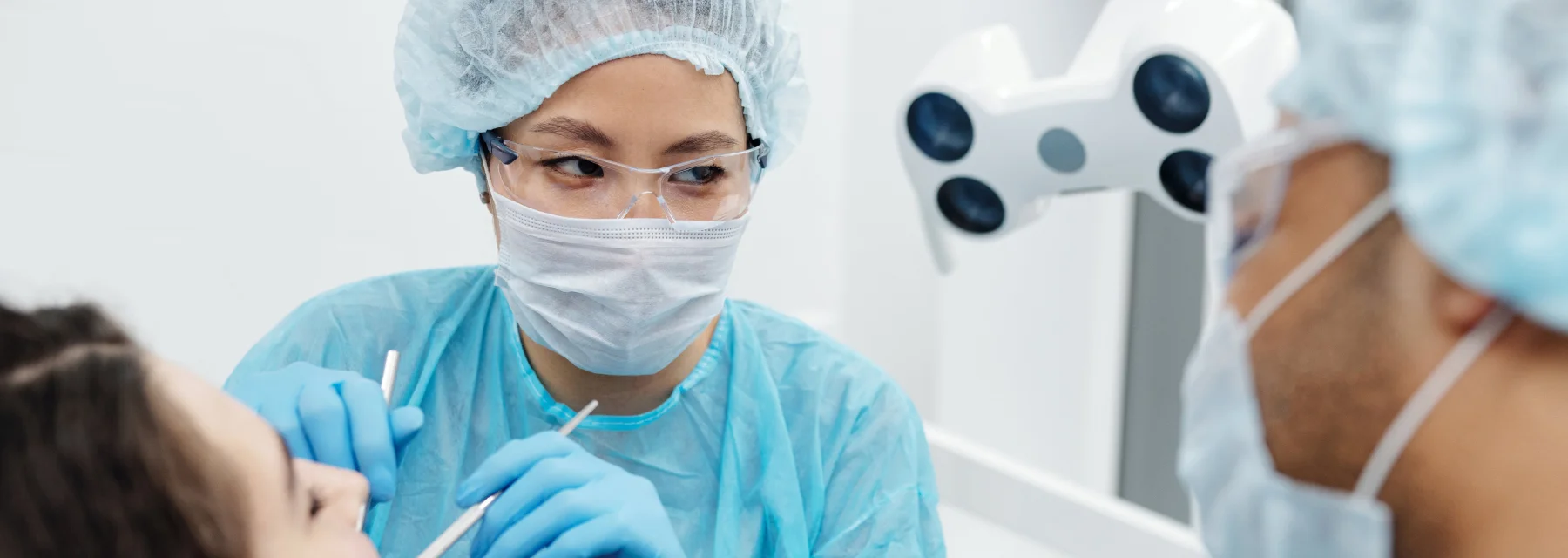
Routine checkups become even more important as you get older. Visiting a dental clinic at least twice a year allows professionals to detect issues early, before they become painful or expensive to treat.
A professional cleaning removes plaque and tartar buildup that daily brushing can’t eliminate. More importantly, your dentist can monitor signs of:
- Gum disease
- Tooth decay
- Oral infections
- Loose fillings or crowns
- Early signs of oral cancer
Preventive care saves time, money, and discomfort in the long run. Even if your teeth feel fine, regular visits to a trusted dental clinic are essential for maintaining long-term oral health.
3. Pay Attention to Gum Health
Gum disease becomes more common with age. Early-stage gum disease (gingivitis) may cause redness, swelling, or bleeding while brushing. If untreated, it can progress to periodontitis, which can lead to tooth loss.
Flossing daily is critical. It removes plaque between teeth where a toothbrush can’t reach. If traditional floss feels difficult, consider floss picks or water flossers for easier use. Healthy gums are the foundation of healthy teeth, especially as you age.
4. Stay Hydrated to Combat Dry Mouth
Many medications commonly prescribed to older adults can cause dry mouth. Reduced saliva flow increases the risk of cavities and gum problems because saliva helps wash away bacteria and neutralize acids.
To manage dry mouth:
- Drink plenty of water
- Avoid excessive caffeine and alcohol
- Use sugar-free lozenges to stimulate saliva
- Ask your dentist about saliva substitutes if needed
Keeping your mouth hydrated protects both teeth and soft tissues.
5. Eat a Tooth-Friendly Diet
Your diet directly impacts your dental health. As you age, it’s important to limit sugary snacks and acidic drinks, which can accelerate enamel erosion and decay.
Focus on:
- Calcium-rich foods like dairy products
- Leafy greens
- Lean proteins
- Crunchy vegetables that stimulate saliva production
6. Address Dental Problems Immediately
Ignoring dental pain is never a good idea, especially later in life. A small cavity or cracked tooth can quickly become a serious issue if left untreated.
If you experience sudden pain, swelling, bleeding, or a knocked-out tooth, contact an emergency dentist right away. Prompt care from an emergency dentist can prevent infection, save damaged teeth, and reduce complications.
Delaying urgent treatment often leads to more extensive procedures down the road. Acting quickly protects your oral health and your overall well-being.
7. Take Care of Dental Restorations
Fillings, crowns, bridges, and dentures may need maintenance over time. Materials can wear out, loosen, or crack. Regular checkups ensure that any restorations remain secure and functional.
If you wear dentures:
- Clean them daily
- Remove them at night
- Schedule routine adjustments
Proper care prevents irritation and infection while extending the lifespan of dental work.
8. Watch for Changes in Your Mouth
As you age, it’s important to be aware of unusual changes such as:
- Persistent sores
- White or red patches
- Difficulty chewing or swallowing
- Jaw pain
These symptoms should never be ignored. Early evaluation by a dental professional ensures that potential problems are identified and treated quickly.
Taking care of your teeth as you age isn’t complicated, but it does require consistency and awareness. Gentle brushing, daily flossing, a balanced diet, and regular visits to a dental clinic create a strong foundation for lifelong oral health. A healthy smile doesn’t have an expiration date. With proper care and professional support, your teeth can stay strong, functional, and confident at every stage of life.
Visit Wolf Willow Orchid Dental for Invisalign
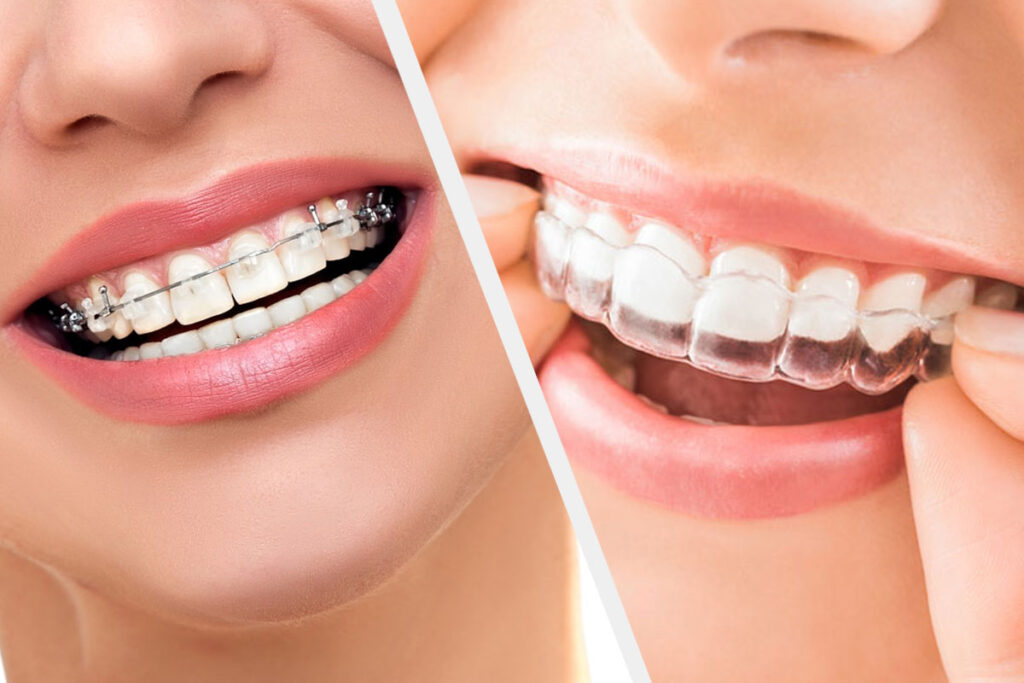
Are you searching for a dental clinic in SE Calgary for Invisalign near me? Look no further than Wolf Willow Orchid Dental! Our team of experienced and highly trained dentists specializes in providing Invisalign treatments for patients of all ages. With our state-of-the-art technology and personalized treatment plans, we can help you achieve the straight and beautiful smile you’ve always wanted.