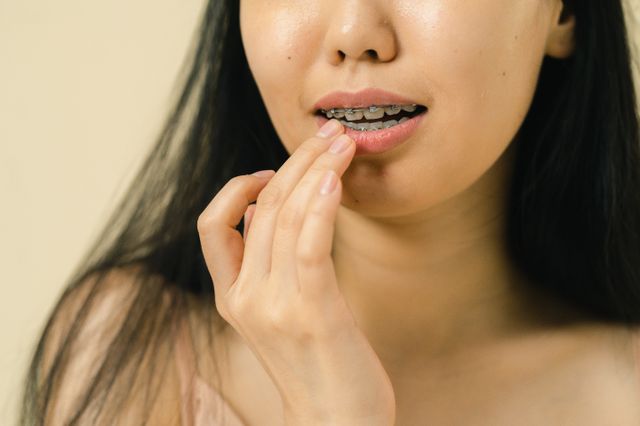
Getting braces is an exciting step toward achieving a straighter, healthier smile. However, braces also require extra care and attention when it comes to oral hygiene. Food particles and plaque can easily become trapped around brackets and wires, increasing the risk of cavities, gum disease, and staining if not cleaned properly.
Fortunately, maintaining good oral hygiene with braces isn’t complicated. With the right tools and techniques, you can keep your teeth and gums healthy throughout your orthodontic journey. Here’s a step-by-step guide on how to brush and floss effectively while wearing braces.
Why Oral Hygiene Is More Important with Braces
Braces create additional surfaces where plaque and bacteria can accumulate. If these areas aren’t cleaned thoroughly, they can lead to:
- Tooth decay
- Gum inflammation
- Bad breath
- White spots or permanent stains on teeth
- Longer orthodontic treatment times
Good brushing and flossing habits not only protect your teeth but also help ensure you achieve the best possible results from your braces.
Step 1: Gather the Right Tools
Having the proper tools makes cleaning around braces much easier. Consider keeping these items handy:
- Soft-bristled toothbrush or electric toothbrush
- Fluoride toothpaste
- Orthodontic floss or floss threaders
- Interdental brushes
- Water flosser (optional)
- Fluoride mouthwash
These tools help clean hard-to-reach areas around brackets and wires more effectively.
Step 2: Rinse Before Brushing
Before you start brushing, rinse your mouth with water. This helps loosen food particles trapped around your braces and makes brushing more effective.
A quick rinse after meals can also help reduce plaque buildup between your regular brushing sessions.
Step 3: Brush at a 45-Degree Angle
Proper brushing technique is essential when you have braces.
- Start with the Gumline: Hold your toothbrush at a 45-degree angle toward the gumline. Use gentle circular motions to clean the area where your gums meet your teeth.
- Brush Above the Brackets: Next, angle the brush downward to clean the tops of the brackets and the upper portion of each tooth.
- Brush Below the Brackets: Move the brush upward to clean underneath the brackets and the lower parts of the teeth.
- Don’t Forget Chewing Surfaces: Brush the chewing surfaces and the inside surfaces of your teeth as well. Spend at least two minutes brushing to ensure thorough cleaning.
Step 4: Brush After Every Meal
People with braces should ideally brush after every meal or snack. Food particles trapped in brackets can quickly turn into plaque if left behind.
If brushing isn’t possible, rinse your mouth thoroughly with water until you can brush properly.
Step 5: Use Interdental Brushes
Interdental brushes are small brushes designed to clean between brackets and underneath wires. They are especially useful for removing food particles from areas your regular toothbrush may miss.
Using an interdental brush once or twice a day can significantly improve oral hygiene during orthodontic treatment.
Step 6: Floss Daily
Flossing with braces requires a little patience, but it’s one of the most important steps in maintaining healthy gums.
Using a Floss Threader
- Cut about 18 inches of floss.
- Insert the floss through a floss threader.
- Guide the floss under the wire.
- Gently move the floss between your teeth.
- Curve the floss around each tooth and clean below the gumline.
- Repeat for every tooth.
Although it takes more time than regular flossing, daily flossing helps prevent gum disease and cavities between teeth.
Step 7: Consider a Water Flosser
Water flossers use a stream of water to remove debris and plaque around braces. They are especially helpful for people who find traditional flossing difficult.
While a water flosser should not completely replace flossing, it can be an excellent addition to your daily routine.
Step 8: Finish with Mouthwash
An antimicrobial or fluoride mouthwash helps wash away bacteria and strengthen tooth enamel. Swishing for about 30 seconds after brushing and flossing provides additional protection against cavities and gum problems.
Foods That Help Keep Braces Clean
Your diet also affects oral hygiene. Foods that are less likely to stick to braces include:
- Yogurt
- Soft fruits
- Cooked vegetables
- Eggs
- Fish
- Rice and pasta
Try to avoid sticky candies, popcorn, hard nuts, and chewing ice, as these can damage brackets and wires.
Watch for Signs of Trouble
Contact your orthodontist or dentist if you notice:
- Swollen or bleeding gums
- Persistent bad breath
- White spots around brackets
- Loose brackets or wires
- Tooth sensitivity
Early intervention can prevent more serious problems and keep your treatment on track.
Finding the Right Orthodontic Care
Choosing an experienced dental team can make your orthodontic experience much smoother. If you’ve been searching for braces near me, it’s important to select a clinic that provides personalized treatment and guidance on maintaining excellent oral hygiene throughout your braces journey.
Why Choose Wolf Willow Orchid Dental?
At Wolf Willow Orchid Dental, we believe that a healthy smile starts with exceptional care and education. We work closely with our patients to ensure they understand how to care for their braces and maintain excellent oral health throughout treatment. Our team provides personalized orthodontic solutions in a comfortable and welcoming environment.
Whether you’re looking for a trusted dentist near me or considering braces for yourself or your child, we are committed to helping you achieve a confident, beautiful smile with compassionate care and advanced treatment options.