


Invisalign is a modern orthodontic treatment that uses a series of clear, removable aligners to gradually move teeth into better alignment. Each aligner is custom-made based on a digital scan of the patient’s mouth and is designed to apply controlled pressure to specific teeth.
Over time, these small adjustments improve spacing, bite alignment, and overall smile appearance. Because Invisalign relies on existing teeth as anchor points, patients often wonder how missing teeth might affect their eligibility for treatment.
Does Having Missing Teeth Automatically Disqualify You?
Missing teeth do not automatically prevent someone from getting Invisalign. Many people assume orthodontic treatment is only possible with a full set of teeth, but this is not always the case.
The suitability of Invisalign depends on several factors, including how many teeth are missing, where those gaps are located, and the overall health of the remaining teeth and gums. In many situations, Invisalign can still be an effective option, either on its own or as part of a broader treatment plan.
Why the Location of Missing Teeth Matters
The position of missing teeth plays a significant role in determining whether Invisalign is appropriate. If a missing tooth is located at the back of the mouth, such as a molar, Invisalign may still work well because the surrounding teeth can provide enough support for tooth movement.
However, missing front teeth or multiple adjacent teeth may require additional planning. In these cases, the orthodontist evaluates how tooth movement will affect both aesthetics and bite stability before recommending Invisalign.
Using Invisalign to Close Gaps from Missing Teeth

In some cases, Invisalign can be used to close gaps left by missing teeth. This approach may be suitable when the spacing is small and closing the gap will not negatively impact the bite or facial balance. Gradually shifting neighbouring teeth into the space can create a more uniform smile without the need for tooth replacement. However, this option is carefully considered, as closing gaps is not always the best long-term solution for oral health.
Preparing for Future Tooth Replacement
Invisalign is often used as a preparatory step before placing dental implants, bridges, or other restorations. When teeth are missing, surrounding teeth may shift into the empty space over time, making future replacements more difficult. Invisalign can help reposition teeth to create proper spacing and alignment, ensuring there is enough room for a replacement tooth. This coordinated approach allows orthodontic and restorative treatments to work together for better results.
The Importance of Gum and Bone Health
Healthy gums and sufficient bone support are essential for any orthodontic treatment, including Invisalign. Missing teeth can sometimes lead to bone loss in the jaw, which may affect how teeth respond to aligners. Before starting Invisalign, a dental professional will assess gum health and bone density to ensure the remaining teeth can be moved safely. Addressing any underlying gum issues first helps create a stable foundation for orthodontic treatment.
How Invisalign Plans Are Customized
One of the advantages of Invisalign is its highly personalized treatment planning. Advanced digital imaging allows orthodontists to simulate tooth movement and predict outcomes before treatment begins. For patients with missing teeth, this planning process is especially important. The orthodontist can adjust aligner design, movement sequencing, and treatment duration to accommodate gaps and ensure balanced results. This level of customisation makes Invisalign a flexible option for many complex cases.
When Additional Treatments May Be Needed
While Invisalign can work in many situations involving missing teeth, some cases require additional treatments either before or after aligner therapy. These may include temporary restorations, dental implants, or bite correction procedures. In some situations, traditional orthodontic methods may be recommended instead. A thorough consultation helps determine the most effective path forward based on individual needs and long-term oral health goals.
Benefits of Choosing Invisalign with Missing Teeth
For eligible patients, Invisalign offers several benefits even when teeth are missing. The aligners are discreet, removable, and comfortable, making them easy to incorporate into daily life. Being able to remove aligners allows for better oral hygiene, which is particularly important when managing spaces in the mouth. Invisalign also provides predictable results through digital planning, offering reassurance to patients with more complex dental concerns.
What to Expect During the Consultation
Once you’ve found a dental clinic for Invisalign near me, a consultation is the first step in determining whether it is suitable for someone with missing teeth. During this visit, the dental professional examines the mouth, takes digital scans or X-rays, and discusses treatment goals. Factors such as bite alignment, spacing, and future restoration plans are reviewed in detail. This comprehensive evaluation ensures that Invisalign treatment supports both cosmetic improvement and long-term dental health.
Invisalign is a versatile orthodontic solution that can accommodate a wide range of dental situations, including missing teeth. Success depends on factors such as tooth position, gum health, and long-term treatment goals. With expert assessment and customised planning, many patients with missing teeth can still benefit from Invisalign. A professional consultation provides clarity, direction, and a clear path toward a healthier, more confident smile.
Visit Wolf Willow Orchid Dental Clinic for Invisalign in SE, Calgary
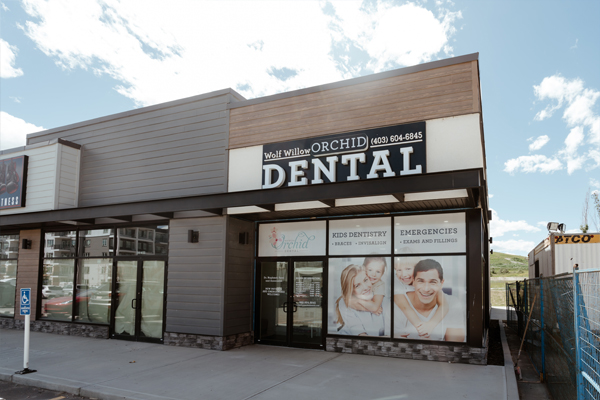
If you are interested in getting Invisalign SE, Calgary, look no further than Wolf Willow Orchid Dental Clinic. Under the guidance of Dr. Naghmeh Farsi, our team of experienced and highly-trained dentists are dedicated to helping patients achieve their dream smiles through advanced orthodontic treatments. We understand that every patient has unique needs and goals, which is why we offer customised treatment plans tailored to your specific case.