Wisdom teeth removal is one of the most common dental procedures, yet many people still feel unsure about it. Some are told their wisdom teeth must come out, while others live their entire lives without any problems. This leads to an important question: do you really need to get your wisdom teeth removed?
The answer depends on several factors, including how your teeth are positioned, your oral health, and your risk of future complications. Understanding when removal is necessary and when it isn’t can help you make informed decisions about your dental care.
What Are Wisdom Teeth and Why Do We Have Them?
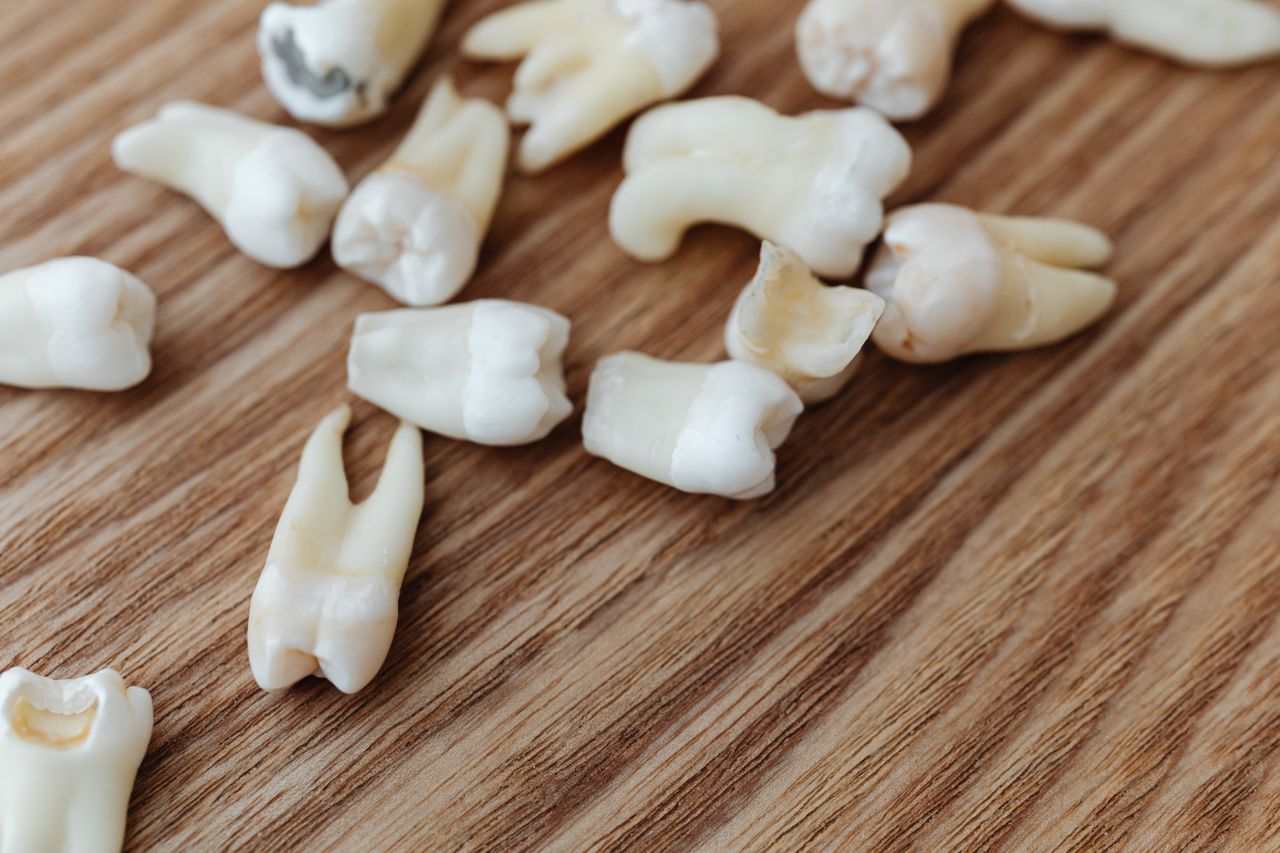
Wisdom teeth, also known as third molars, are the last set of teeth to develop. They usually appear between the ages of 17 and 25, a stage of life once associated with maturity and “wisdom.”
Historically, these teeth helped early humans chew tough foods. Over time, changes in diet and jaw size made them less necessary. Today, many people simply don’t have enough room in their mouths for wisdom teeth to grow properly. As a result, these teeth often cause complications when they emerge.
When Wisdom Teeth Do Not Need Removal
Not everyone needs to have their wisdom teeth removed. In some cases, they grow in fully, align properly, and function like normal molars.
Healthy wisdom teeth may be left in place if they:
- Erupt completely
- Sit in the correct position
- Do not affect nearby teeth
- Can be cleaned easily
- Show no signs of decay or infection
When these conditions are met, regular monitoring through dental checkups is usually enough to maintain oral health.
Common Problems Caused by Wisdom Teeth
Many wisdom teeth fail to erupt properly because of limited space. This can lead to a variety of dental issues.
Impaction
Impacted wisdom teeth remain trapped under the gum or partially emerge. This creates pockets where bacteria can collect, increasing the risk of infection and gum disease.
Crowding
Emerging wisdom teeth may push against neighboring teeth. This pressure can cause misalignment, undo orthodontic work, and affect bite balance.
Tooth Decay
Wisdom teeth sit far back in the mouth, making them difficult to clean. Poor access increases the chance of cavities and plaque buildup.
Gum Infections
Partially erupted teeth often lead to painful inflammation, swelling, and bad breath. Repeated infections may require surgical intervention.
Cysts and Bone Damage
In rare cases, fluid-filled sacs can form around impacted teeth. These cysts may damage surrounding bone and roots if left untreated.
Signs You May Need Wisdom Teeth Removal
Some people experience clear warning signs that their wisdom teeth are causing trouble. These symptoms should never be ignored.
Common signs that you need wisdom teeth removal include:
- Persistent jaw pain
- Swollen or bleeding gums
- Bad breath that doesn’t improve
- Difficulty opening the mouth
- Headaches or ear pain
- Pressure behind back teeth
If you notice any of these symptoms, a dental examination and X-rays can determine the underlying cause.
Why Dentists Often Recommend Early Removal
Many dentists suggest removing wisdom teeth before serious problems develop. Younger patients usually heal faster and experience fewer complications after surgery.
Early removal reduces the risk of:
- Severe infections
- Damage to nearby teeth
- Complex surgical procedures
- Extended recovery times
When roots are still developing and bone is softer, extractions tend to be simpler and more predictable.
What Happens During Wisdom Teeth Removal
Wisdom teeth removal is a routine outpatient procedure performed under local anesthesia, sedation, or general anesthesia, depending on complexity and patient comfort.
The dentist or oral surgeon makes a small incision in the gum, removes the tooth, and closes the area if needed. The procedure typically takes less than an hour. After surgery, patients receive instructions for managing swelling, pain, and healing. Most people return to normal activities within a few days.
Recovery and Aftercare
Proper aftercare plays a major role in successful healing.
Key recovery tips include:
- Rest for the first 24–48 hours
- Use ice packs to reduce swelling
- Eat soft foods
- Avoid smoking and straws
- Maintain gentle oral hygiene
- Take prescribed medications as directed
Following these guidelines minimizes discomfort and prevents complications such as dry socket or infection.
Can You Keep Your Wisdom Teeth Long-Term?
Some individuals keep their wisdom teeth without any issues for decades. However, even healthy-looking wisdom teeth can develop problems later in life. Regular dental checkups and X-rays are essential for monitoring changes. Dentists can detect early signs of decay, gum disease, or shifting that may require future removal. Ongoing evaluation ensures that potential risks are managed before they become serious.
You do not always have to get your wisdom teeth removed. Some people never experience problems, while others benefit greatly from early extraction. The key is regular monitoring and professional guidance. If your wisdom teeth are causing discomfort, infection, or alignment issues, removal may be the best option to protect your long-term oral health.
For safe, comfortable, and expert wisdom teeth removal in Calgary, Wolf Willow Orchid Dental offers comprehensive care using modern techniques and patient-focused support. Their experienced team is committed to helping you maintain a healthy smile with confidence and peace of mind.