
Can Specific Health Conditions Prevent Dental Implants?
- Orchid Dental

- 3 days ago
- 4 min read
Dental implants have become one of the most reliable and long-lasting ways to replace missing teeth. They look natural, function like real teeth, and help preserve jawbone structure over time. But not everyone is automatically an ideal candidate for implants.
Certain health conditions can affect how well the body heals after surgery or how successfully the implant bonds with the jawbone. That does not always mean implants are impossible — in many cases, it simply means extra precautions, planning, or treatment are needed first.
Understanding how medical conditions influence implant success can help patients make informed decisions about their oral health and long-term treatment options.
How Dental Implants Actually Work
A dental implant is a small titanium post placed into the jawbone where a missing tooth once was. Over time, the implant integrates with the bone through a process called osseointegration. Once healing is complete, a crown is attached to restore the appearance and function of the tooth.
Successful healing depends heavily on:
Healthy bone structure
Strong gum tissue
Good oral hygiene
Proper immune response
Consistent healing ability
This is why your dentist will carefully review your medical history before recommending implant treatment.
Diabetes Can Affect Healing
Diabetes is one of the most common health conditions considered during implant planning. When blood sugar levels are poorly controlled, the body may heal more slowly and become more vulnerable to infection. Gum disease also tends to occur more frequently in diabetic patients, which can impact implant stability.
However, having diabetes does not automatically rule out implants. Many patients with well-managed diabetes successfully undergo dental implant placement with excellent long-term outcomes. The key is maintaining stable blood sugar levels before and after the procedure.
An emergency dentist may work closely with your physician to ensure the condition is properly controlled prior to surgery.
Gum Disease May Need Treatment First
Healthy gums are essential for implant success. If a patient has active periodontal disease, the surrounding tissues may already be inflamed or infected. Placing implants into unhealthy gums significantly increases the risk of implant failure.
Common signs of gum disease include:
Bleeding gums
Swelling
Gum recession
Persistent bad breath
Loose teeth
Before implant surgery, dentists often recommend periodontal treatment to stabilize gum health first.
Osteoporosis and Bone Density Concerns
Dental implants rely on adequate jawbone support. Conditions that weaken bone density can sometimes complicate treatment.
Osteoporosis itself does not necessarily prevent implants, but it may affect bone strength and healing capacity. Certain medications used to treat osteoporosis, particularly bisphosphonates, can also influence bone healing after oral surgery.
This does not mean implants are unsafe for everyone with osteoporosis. Instead, your dentist may recommend imaging scans, bone grafting, or consultation with your physician before proceeding.
Autoimmune Disorders Can Influence Recovery
Autoimmune conditions affect how the immune system responds and heals.
Conditions such as:
Rheumatoid arthritis
Lupus
Sjögren’s syndrome
Crohn’s disease
may increase inflammation or interfere with healing processes in some patients. Additionally, medications that suppress the immune system can raise infection risks after surgery. Each case is different. Many patients with autoimmune disorders still qualify for implants, but careful planning and monitoring become especially important.
Smoking Significantly Raises Implant Risks
Smoking is not technically a medical condition, but it is one of the biggest risk factors for implant complications.
Nicotine restricts blood flow, slows healing, and increases the chance of infection and implant failure. Smokers are also more likely to develop gum disease, which further threatens implant stability.
Some dentists may recommend quitting smoking before implant surgery to improve success rates significantly. Even reducing smoking during the healing phase can positively affect recovery.
Certain Heart Conditions Require Additional Precautions
Patients with cardiovascular conditions are often still eligible for implants, but the treatment plan may need modifications. Dentists may need to consider:
Blood thinner medications
Blood pressure control
Infection prevention
Overall surgical risk
Patients with recent heart surgeries, uncontrolled hypertension, or serious cardiac complications may require medical clearance before proceeding. Safety always comes first during implant planning.
Cancer Treatments May Affect Implant Timing
Cancer therapies such as chemotherapy and radiation can temporarily weaken the body’s ability to heal. Radiation treatment involving the jaw area is especially important to discuss because it can affect bone health and blood supply. In some cases, implants may still be possible after treatment, but additional precautions are often necessary.
Timing becomes extremely important for these patients, and coordination between medical and dental providers is often recommended.
Chronic Teeth Grinding Can Damage Implants
Bruxism, the habit of grinding or clenching teeth, places excessive pressure on both natural teeth and implants. Severe grinding may increase the risk of:
Implant fractures
Crown damage
Bone stress
Jaw pain
Patients who grind their teeth are not automatically excluded from treatment, but they may require custom night guards to protect their implants long-term.
Age Alone Rarely Prevents Dental Implants
Many people assume they are “too old” for implants, but age itself is usually not the deciding factor. What matters more is overall health, bone quality, and healing ability.
In fact, many older adults benefit tremendously from implants because they improve chewing ability, speech, comfort, and confidence compared to removable dentures.
Why a Full Dental Evaluation Matters
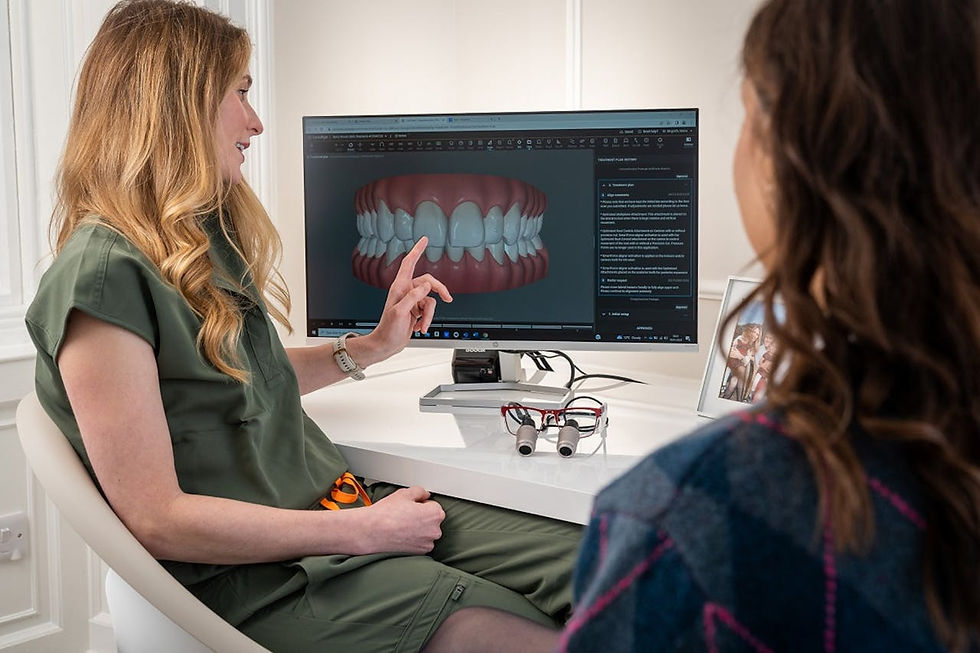
Dental implants are highly personalized treatment solutions. What works for one patient may not be ideal for another. A thorough evaluation usually includes:
Dental X-rays or 3D imaging
Bone density assessment
Medical history review
Gum health examination
Bite analysis
This detailed planning helps identify potential risks early and improves long-term implant success. In some cases, patients may need preliminary treatments such as bone grafting, gum therapy, or infection management before implants can safely proceed.
Book an Appointment at Wolf Willow Orchid Dental
At Wolf Willow Orchid Dental, we understand that every patient’s health situation is unique. Our team takes a personalized approach to treatment planning, carefully evaluating your oral health, medical history, and long-term goals before recommending dental implants or other restorative solutions.
Whether you need preventive treatment, restorative dentistry, or support from an experienced emergency dentist, we are committed to helping patients throughout SE Calgary protect their smiles with confidence and comfort.


Comments